WhatsAppCall Now

The future of implants has arrived.

RC-Base, RC-MUA, Double Pitch screw architecture, and abutment-level scanning give clinicians a cleaner path from CBCT and IOS to provisional and final restoration, with fewer repeated abutment disruptions.

Request clinical material
Seven-day workflow

Conventional planning turns anatomy into compromise

  • Implant position follows the remaining bone.
  • Screw access exits in the wrong restorative place.
  • Deep cement margins and chairside rescue work become more likely.
  • Abutments are removed and reconnected while tissue is trying to heal.

Scan

Diagnosis, Planning

Guide design production

Flapless implant surgery

One Day Implant
Scan

Diagnosis, Planning

Guide design production

Flapless implant surgery

One Day Implant
After: one-day workflow

The prosthetic path is planned before the case is placed

  • CBCT and IOS connect implant, abutment, guide, and restoration early.
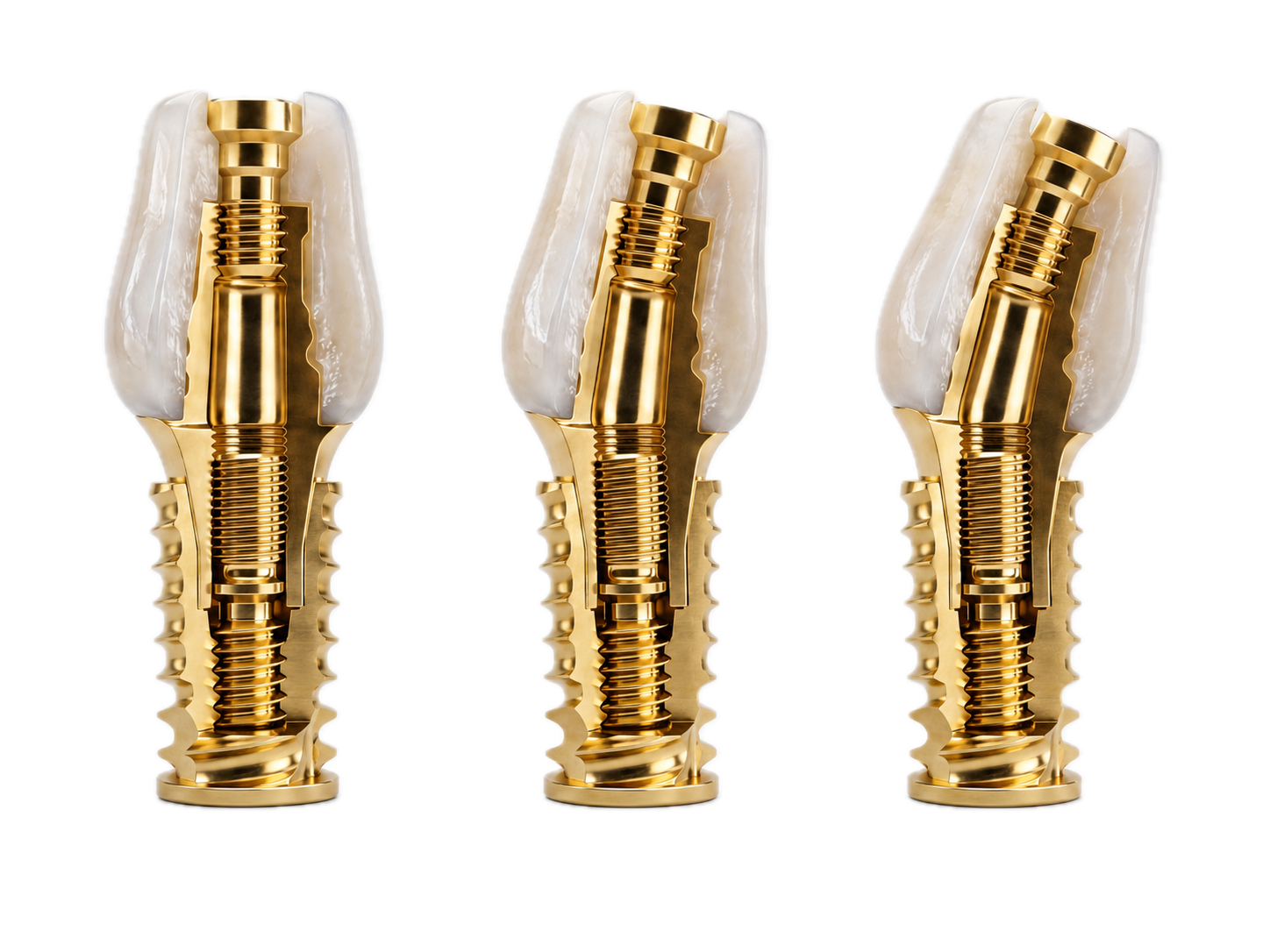
  • Angled channels keep more cases in a screw-retained workflow.
  • RC-Base, RC-MUA, Double Pitch screws, and MiNions keep work at abutment level.
  • One Abutment - One Time protects the tissue interface in selected cases.
0/11/22RC-Base and RC-MUA angulations for Point implant workflows
15 Ncmtorque stated in the deck for RC-Base and RC-MUA placement
96international patents stated in the deck
4+1German government funds plus European Social Fund support
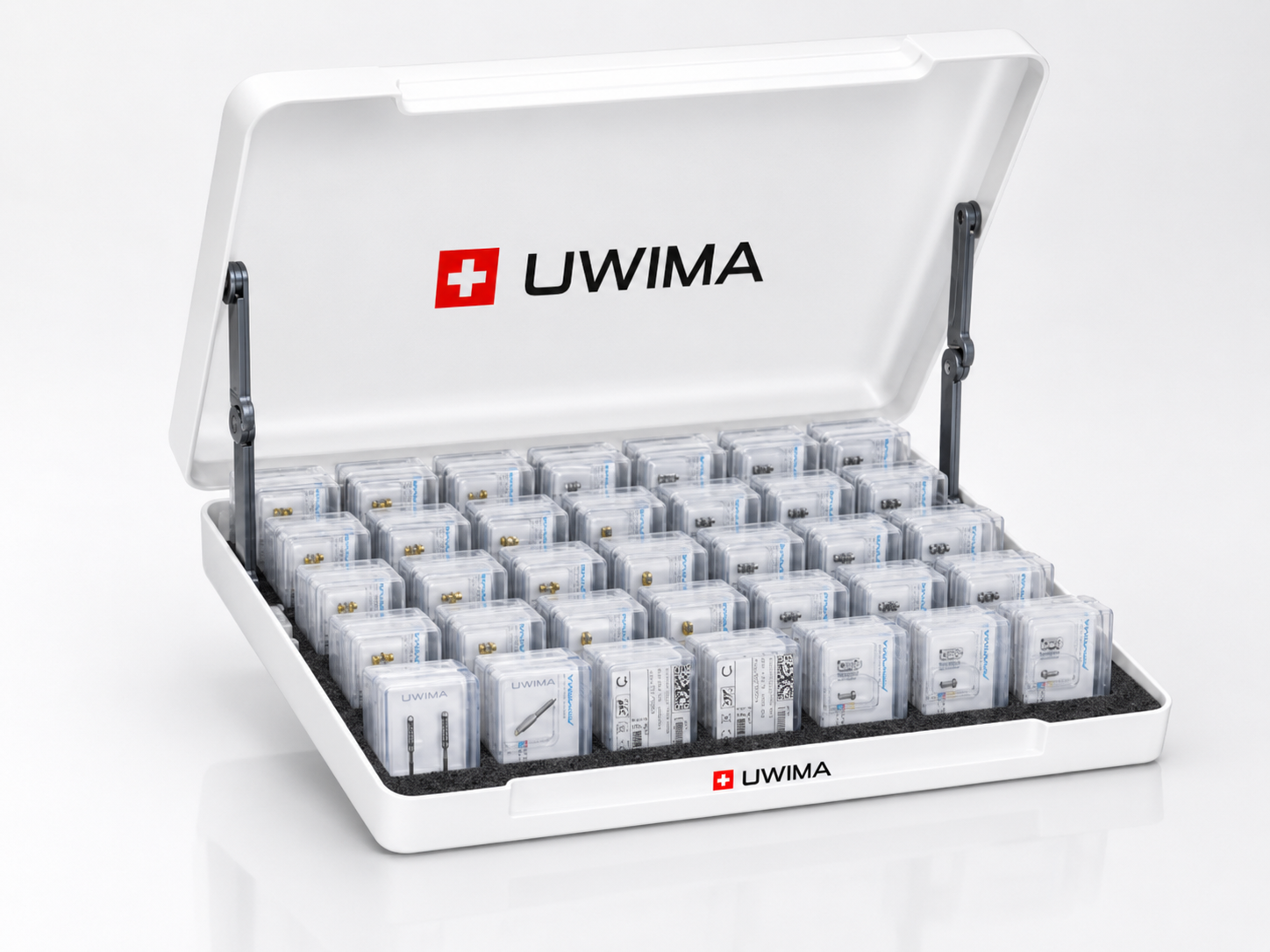
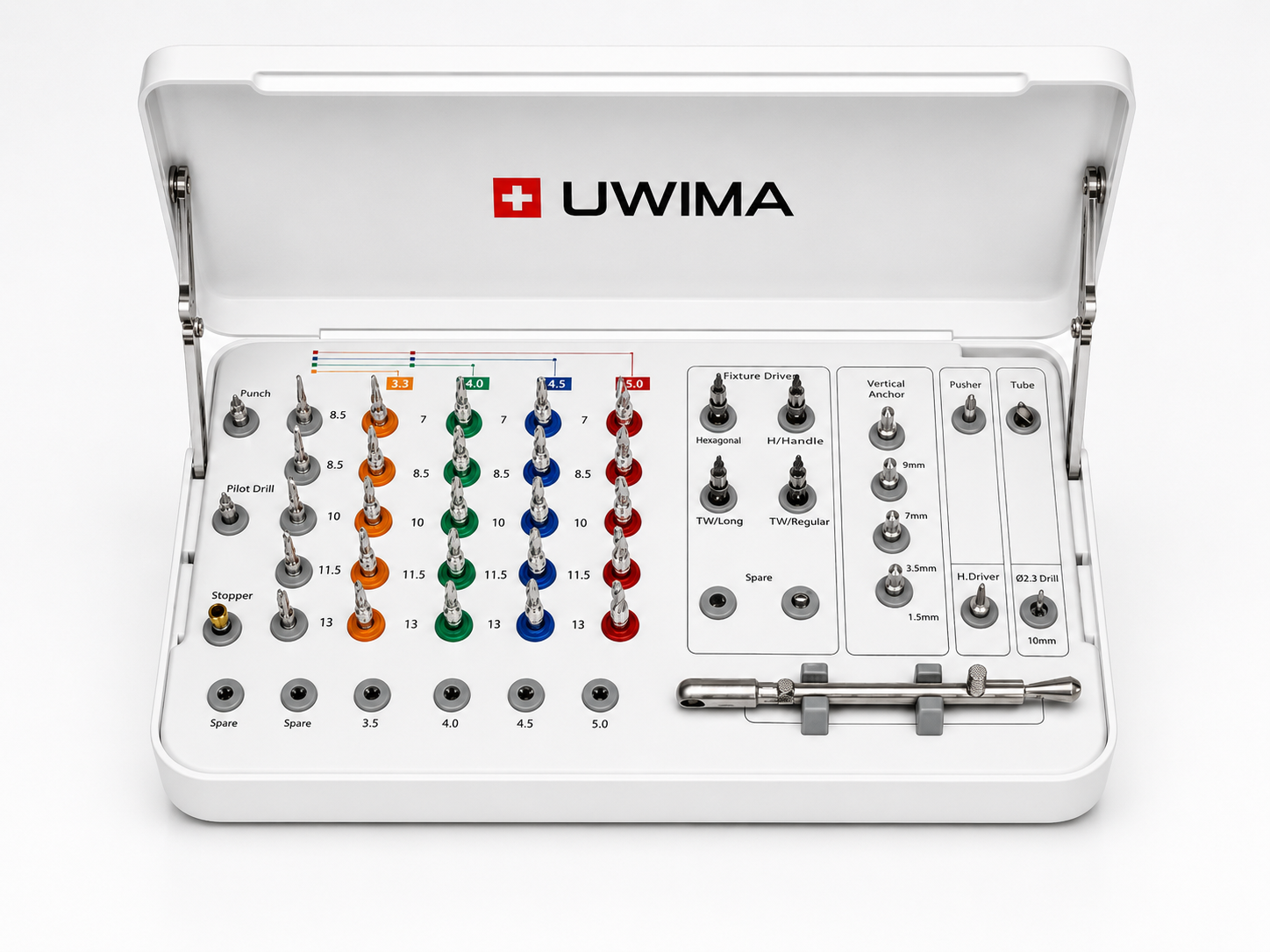
UWIMA Point Navi guided surgery set of 30

Point Navi Kit. Set of 30.

Guided surgery planned with CBCT, IOS, virtual sleeve logic, and precise drill control so the restorative workflow stays connected from the surgical guide to the provisional case.

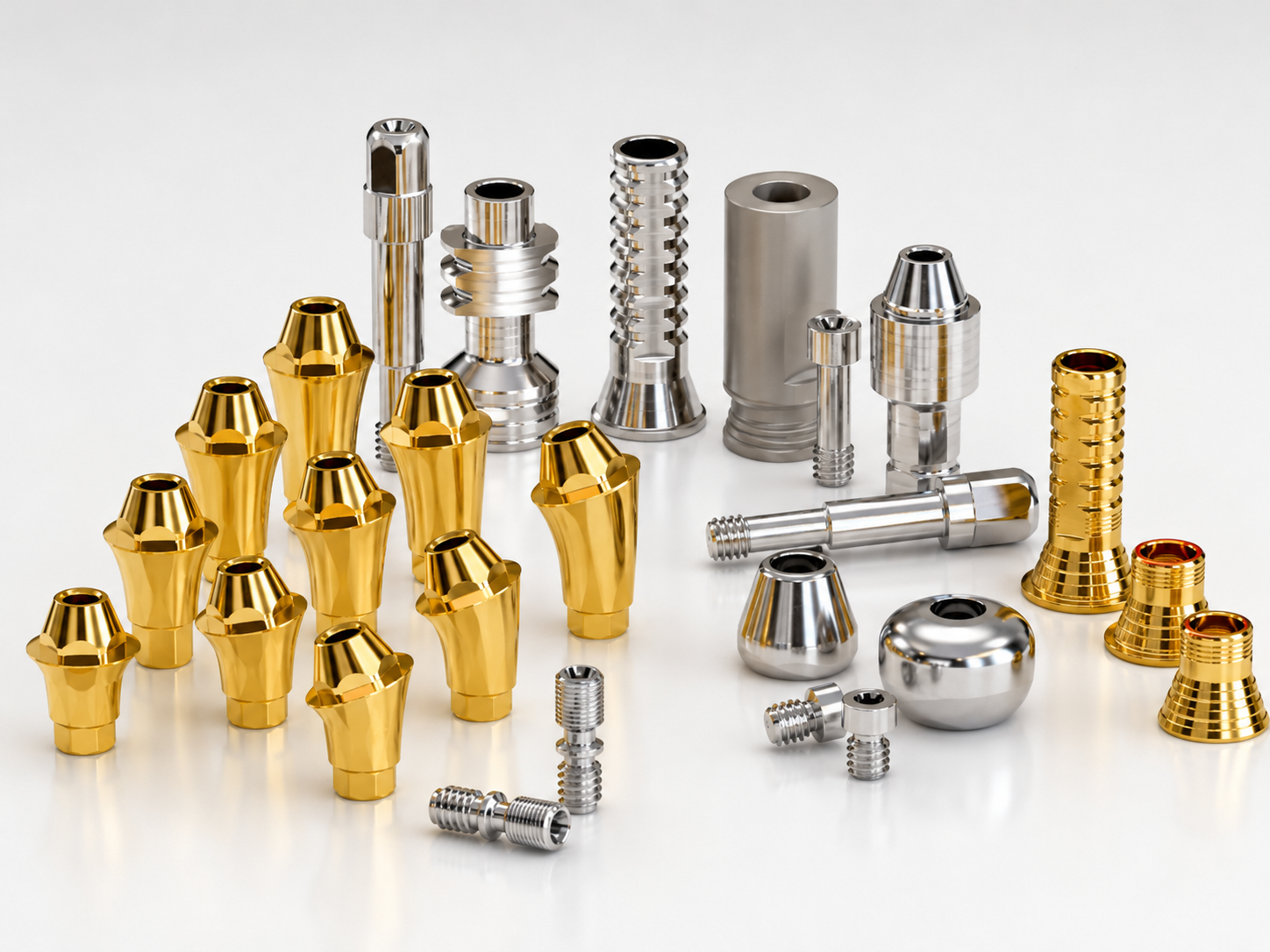
Full implant system.

Angled restorative components, basal screw architecture, and implant-level planning hardware shown as one clinical system.

UWIMA full implant system with angled restorative components

Compatible with the implant systems already in the practice.

The supplied compatibility table shows broad HACS library coverage across major implant platforms, with additional systems still being tested and updated.

HACS-A

AB Dental
Adin
B&B Dental
Bioconcept
BioHorizons
BTK
Camlog
C-Tech
Cortex
Dentis
DESS
Ditron Dental
Galimplant
Hiossen
IBO
Implant Direct
IPD
JDentalCare
Mech & Human
Mode Implant
NeoBiotech
Nobel Biocare
Notch
NTA Implant
S.I.N.
Southern Implants
Sweden & Martina
Ticare
Vitronex
ZimVie

HACS-B

S.I.N.

HACS-C

Dentium
Sweden & Martina
Cowellmedi
Galimplant
Paltop

HACS-D

C-Tech
Bimplant

HACS-E

DIO Implant

HACS-F

BEGO

Others

Rosen
Additional systems in testing
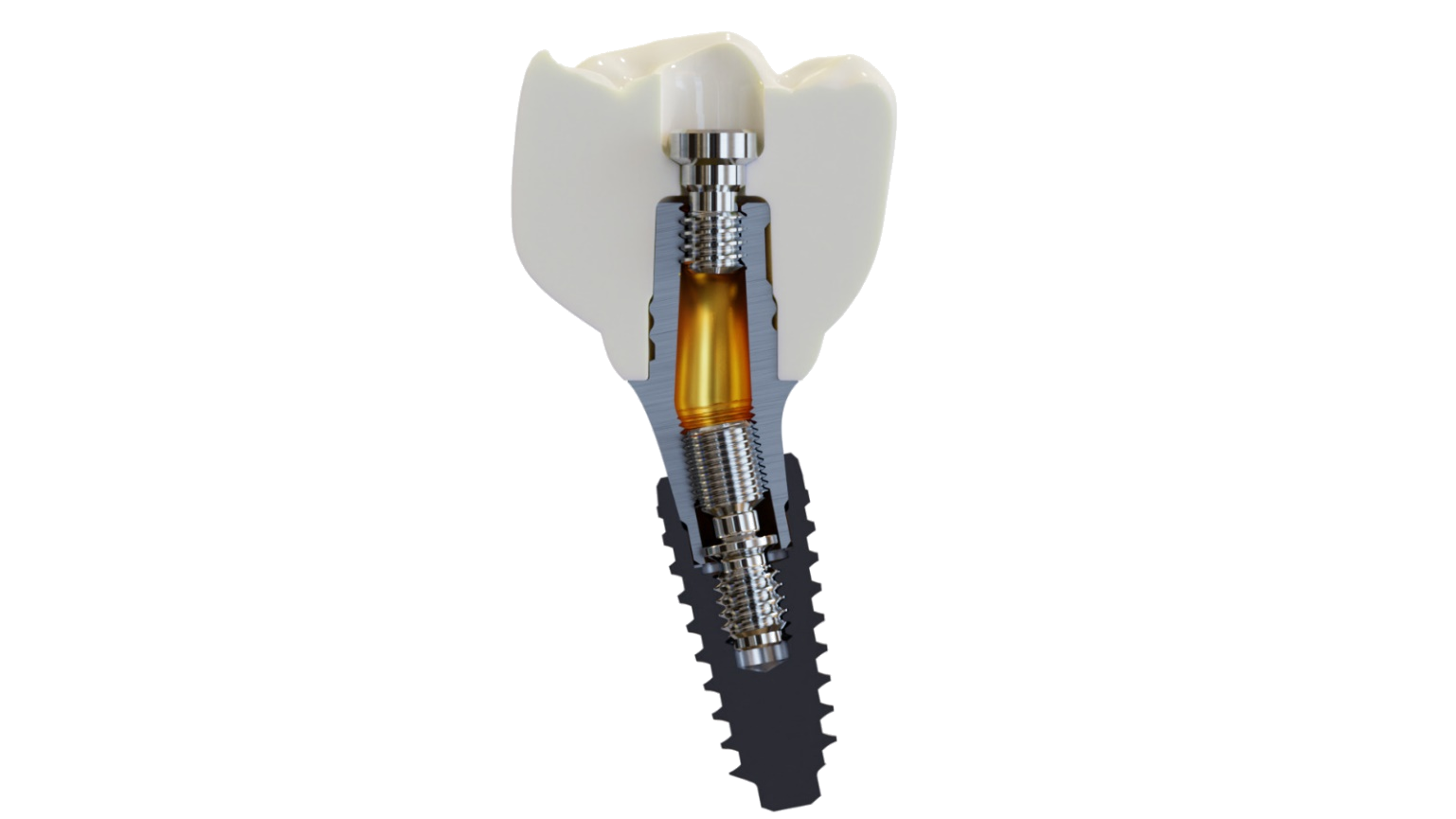
Angled screw-channel implant component shown as a clinical product cutaway

Recognized by

One connected abutment-level workflow.

In selected cases, the abutment is placed once and the following steps happen on the abutment level: healing, shaping, impression or scan, provisionalization, and final restoration. The pitch is tissue respect plus restorative access, not a generic speed claim.

  1. 01

    Start with CBCT and intraoral scan.

  2. 02

    Plan implant, abutment, screw channel, and guide together.

  3. 03

    Place the implant where stable bone allows.

  4. 04

    Seat the RC-Base or RC-MUA once, when the case is suitable.

  5. 05

    Shape and capture tissue at abutment level with gingivaformers and MiNions.

  6. 06

    Deliver provisional or final screw-retained restorations through the planned access.

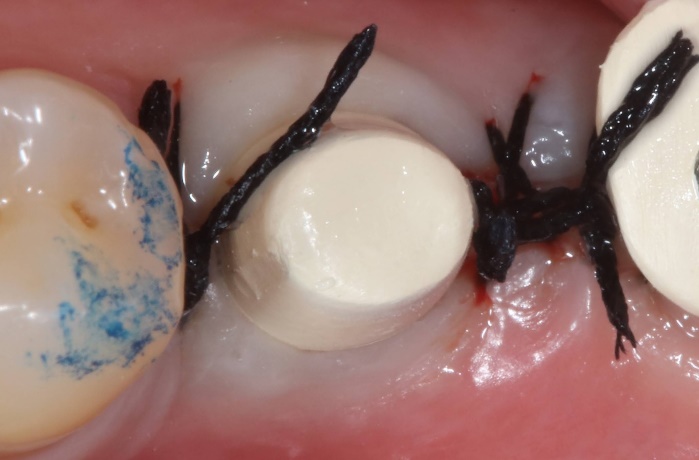
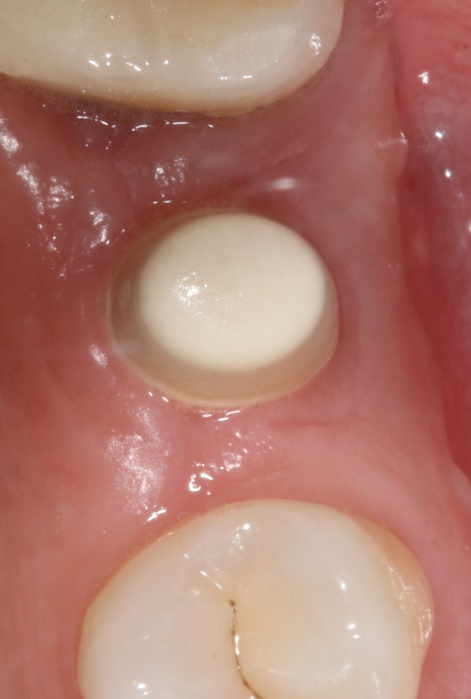
Shape the emergence profile before reopening the tissue.

The gingivaformer is seated at abutment level so the soft tissue can heal around the component first. In suitable cases, the next restorative step can be planned from the healed contour, helping avoid another surgical exposure with extra bleeding and tissue disruption.

Clinical before view with sutured gingivaformer around the abutment-level workflowClinical after view showing healed tissue around the gingivaformerBeforeAfter
Before

Gingivaformer seated to guide the soft-tissue profile during healing.

After

Healed contour visible around the same abutment-level component before restoration.

UWIMA implant starter box with 30 individually packaged implants

Your first set of 30 implants.

€4,95030 implants in the first set
€4,950
Order now

What UWIMA actually puts in the treatment plan.

A prosthetic workflow system built around angled access, basal screw architecture, abutment-level capture, and guided surgery. The implant can follow available bone while the restoration keeps a controlled screw-retained path.

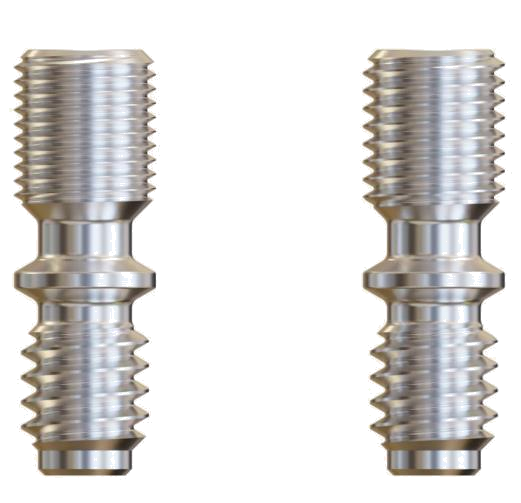
Double Pitch screw used in the UWIMA basal screw architecture

Double Pitch screw

A basal, headless screw concept designed to support smaller tool channels, controlled preload, and higher angulation without turning the restoration into a cement workaround.

MiNions

Impression and scan posts for abutment-level capture, keeping the restorative record where the tissue-management workflow is meant to stay.

45 years of history in dental experience.

Built around decades of clinical observation, laboratory handling, and prosthetic decision-making that had to work in real treatment rooms, not just in product diagrams.

45 yearsaround dental workflows, laboratories, and restorative handling
German-madeproduct direction anchored in Oppenau and a clinical-practice viewpoint
Chairside logicfocused on cleaner screw-retained workflows and fewer repeated disruptions
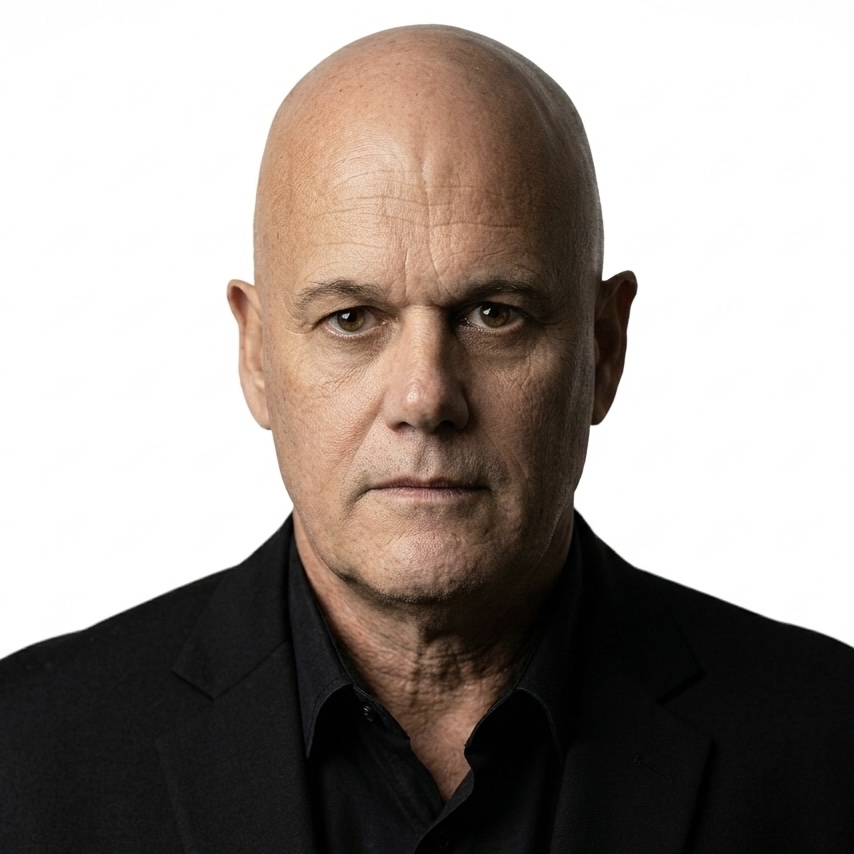
Ulrich W. Manz portrait
UWIMA product directionUlrich Wilhelm Manz

FAQs

Still have questions? Send the case context and workflow goal to the UWIMA team.

What is UWIMA?

UWIMA presents a guided prosthetic workflow around angled access, abutment-level capture, and screw-retained implant restoration.

Who is it for?

It is written for dental teams that want cleaner planning from CBCT and IOS through guide control, tissue handling, and restoration.

What changes clinically?

The workflow keeps the implant position, abutment axis, screw channel, and restoration connected earlier in the case.

Does it replace clinical judgment?

No. Case selection, primary stability, anatomy, prosthetic planning, and component handling remain clinical decisions.

When is one-day provisionalization suitable?

Only in selected cases where planning, stability, guide accuracy, and restorative preparation support that protocol.

What is the evidence boundary?

The page keeps claims tied to the source deck and public IFU/SSCP layers, without promising guaranteed outcomes.

How do I start?

Send the clinic context, implant system, and workflow goals so the right prosthetic and guided-planning path can be discussed.